BDD Awareness Day
BDD Awareness Day: Recovery is Possible

September 3, 2026, marks the first-ever Body Dysmorphic Disorder (BDD) Awareness Day. The BDD Foundation and International OCD Foundation (IOCDF) are partnering to organize the event. This is an important milestone for the BDD community
Body Dysmorphic Disorder is a serious and often misunderstood mental health condition. People can struggle with BDD for years without understanding what is happening or knowing where to find appropriate help.
BDD Awareness Day can help change that. The day aims to increase understanding of BDD, challenge stigma and misconceptions, and help more people find effective treatment and support.
For everyone impacted by BDD, the day offers something equally important: hope that recovery from Body Dysmorphic Disorder is possible.
What Is Body Dysmorphic Disorder (BDD)?
Body Dysmorphic Disorder is a mental health condition that causes a person to become preoccupied with perceived flaws or defects in their appearance. Other people usually don’t notice these flaws or see them as minor.
BDD is much more than feeling dissatisfied with your appearance or worrying about how you look.
People with BDD may spend hours thinking about perceived flaws. They may also engage in repetitive behaviors or rituals because of these concerns.
These can include:
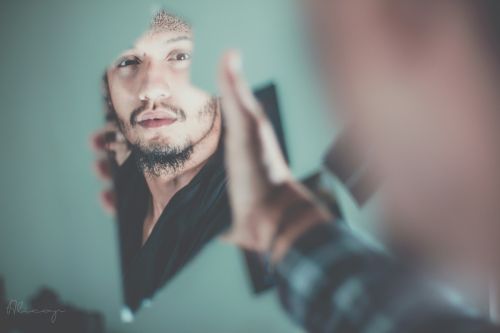
- Frequently checking mirrors—or avoiding them completely
- Comparing their appearance with other people
- Seeking reassurance about how they look
- Camouflaging or trying to hide perceived flaws
- Repeatedly taking or checking photographs and selfies
- Grooming excessively
- Avoiding people, activities, work, school, dating, or other situations because of appearance concerns
BDD can significantly interfere with relationships, work, school, social activities, and everyday life.
BDD can also be difficult for other people to understand. Someone may hear, “You look fine,” but reassurance usually doesn’t resolve BDD.
The problem isn’t simply the person’s appearance. BDD affects how a person thinks about, perceives, and responds to their appearance.
Why BDD Awareness Matters
The BDD Foundation estimates that BDD affects approximately 1 in 50 people. Yet the disorder remains under-recognized and misunderstood.
Someone with BDD may believe they simply have an appearance problem that they need to fix. They may seek cosmetic, dermatological, dental, or other appearance-focused solutions instead of mental health treatment.
Family members and friends may not understand why reassurance doesn’t help. They may also struggle to understand why someone they care about continues to suffer despite being told there is nothing wrong with their appearance.
Even mental health professionals may have limited experience recognizing or treating BDD.
Greater awareness can help people put a name to what they are experiencing. It can help families understand what their loved one is going through. Most importantly, greater awareness can help people find appropriate treatment sooner.
Effective Treatment for Body Dysmorphic Disorder
One of the most important messages of BDD Awareness Day is that BDD is treatable.
Cognitive Behavioral Therapy (CBT) specifically designed for BDD is an evidence-based psychological treatment. Treatment may include exposure and response prevention (ERP), reducing BDD rituals and avoidance, changing unhelpful patterns of thinking and behavior, and developing healthier ways to respond to BDD thoughts and emotions.
Serotonin reuptake inhibitor medications (SRIs/SSRIs) are also an evidence-based treatment option for BDD.
Treatment needs vary from person to person. A qualified mental health professional who understands BDD can help determine appropriate treatment.
Education, peer support, recovery resources, and coaching can provide additional support. However, they do not replace professional mental health treatment when treatment is needed.
BDD Awareness Is the Beginning
Learning that you have BDD can be an important turning point.
But knowing that you have BDD doesn’t automatically tell you what to do next.
You may have questions such as:
- How can I understand what BDD is doing to me?
- How do I stop checking, comparing, avoiding, or seeking reassurance?
- How can I use the skills I’ve learned in therapy?
- Where can I find people who understand what I’m experiencing?
- Do I need more specialized professional treatment?
The answers may change over time.
At one point in recovery, you may need to learn more about BDD. Later, you may need to practice recovery skills, find greater connection and support, or work with a professional who specializes in BDD.
That is one reason I created the Fear to Courage Recovery Compass™.
Find Your BDD Recovery Direction
The Recovery Compass is a free educational self-assessment for people who already recognize that they have BDD. It can help you think about the type of support that could be most useful for you right now.
Your Compass Direction can change over time. You can retake the Compass as needed to help determine your next steps.
Find Your Recovery Compass Direction
The Recovery Compass is an educational and support tool. It does not diagnose BDD or replace professional mental health care.
Finding Support for BDD Recovery
You may make significant progress and still have difficult days. You may also go through periods when BDD becomes stronger again.
Sometimes you understand what you’re supposed to do but struggle to put that knowledge into practice.
You don’t need to achieve a perfect recovery—or a perfect life—to build a meaningful life that is no longer controlled by BDD.
I know this from living with and recovering from BDD and from many years of connecting with people affected by the disorder.
One lesson I’ve learned is that people may need different kinds of help at different points in recovery.
BDD Recovery Resources at Fear to Courage
Fear to Courage provides education, connection, and practical recovery support for people affected by BDD.
Depending on where you are in your recovery, you can:
- Learn more about BDD and recovery through free educational resources
- Participate in BDD support groups and connect with people who understand
- Join the Fear to Courage community
- Learn and practice recovery strategies through courses and workshops
- Receive individualized recovery coaching
- Use the Recovery Compass to identify the type of support that may be most useful to you right now
Explore BDD Resources at Fear to Courage
Fear to Courage resources and coaching can complement professional treatment. They do not replace psychotherapy, psychiatric care, or other professional mental health services when those services are needed.
How to Participate in BDD Awareness Day
The first BDD Awareness Day takes place on September 3, 2026. The BDD Foundation and International OCD Foundation are partnering to organize the event.
You can participate in several ways:
- Learn more about Body Dysmorphic Disorder
- Share accurate information about BDD
- Talk with family and friends about the disorder
- Help challenge misconceptions about BDD
- Direct people toward appropriate resources and treatment
The BDD Foundation will also host a special BDD Awareness Day livestream. Chris Trondsen, LMFT, Tilly Kaye, Katherine Phillips, MD, and Sony Khemlani, PhD, will discuss BDD and evidence-based treatment.
Learn more about BDD Awareness Day from the BDD Foundation
Whether you live with BDD, care about someone who does, or work with people affected by BDD, increasing understanding matters. But awareness doesn’t have to be the end of the conversation.
It can be the beginning of finding the knowledge, treatment, skills, connection, and support that can help someone move forward.
Awareness is the beginning. Recovery requires the right support.
AI Disclosure: The post was drafted by AI and edited by Eva Fisher, PhD.